
A teacher can have a huge impact on a child’s life, and to see a child progress and grow is something that brings great joy to teachers.
So why teach? Here’s why the teachers do it:
1. Can make a difference – As a teacher, I can positively influence a child’s way of thinking or doing. Essentially, I can be the positive influence in their lives.
2. Can inspire – I can help students build self-esteem and believe in themselves and their ability to learn, no matter their background or abilities.
3. Can mentor a child – Children sometimes need someone to look up to and to aspire to be like. A teacher can help guide a child down the right path in life—one that will lead to the greatest successes.
4. Experience a diverse world – Students can come to school from various socio-economic statuses, ethnic backgrounds, disabilities, and abilities. This keeps me grounded and helps me to develop empathy for all children.
5. Can care for those less fortunate – There are many children who come to school unfed and poor. It’s up to us teachers to let them know that someone cares for their education as well as for their health and well-being.
As a teacher I can be a life-long learner
6. Can be a life-long learner – Teachers are required to take professional development courses in order to renew their certificate periodically. Being an educator allows me to keep learning and growing in knowledge.
7. Can encourage children to dream – Dreams lead to big ideas—which can lead to innovations and changes for the future. A teacher can inspire kids to think beyond their comfort zones and challenge them to reach their fullest potential.
8. Live with a deep sense of purpose – As a teacher, I believe I have a reason for doing what I’m doing. It helps bring value and meaning to my life.
9. Want to ignite the spark of learning – There are many students who say they hate school because it’s boring. I want to spark their interest and help them understand that they are smart and capable of learning, no matter their ability.
10. To prove that one person can make a difference – I can’t teach every child in the world—but I can make a difference for the ones that I do teach. The impact I have on their lives can stay with them throughout their years of schooling and beyond.
Teachers can be regarded as a guiding light as they play an important role in shaping the life of many individuals. They are strong role models and need to have a rational behavior towards the student. And also it can help to the students develop imagination that will help them to paint their own world.
This virtues are a good descriptions of what an ethical teacher should be, but the use of these virtues can be task when a teacher is faced with so many unpredictable situations in the classroom and in the school system.

Following moral principles must be observed by the teachers.
Being with the students
They are entrusted with the role of providing a quality education to all students in the classroom. As a part of ethics, they cannot exhibit favoritism towards any particular student or even show discrimination against any of them. He/she ought to interact with the pupils in an appropriate manner without taking any advantage. They must keep minimum contact with students outside the school premises, and if need arises, it must be related to some school event or function.
Safety for all students
Apart from making the learners understand the basics of different subjects, it is the teacher’s responsibility to ensure students’ safety by gaining their trust. They have to understand needs of each individual student and report incidences of harassment and bullying that occur within the school premises. Also, if there is a strong doubt of neglect or abuse at home, or when a student discloses any such case, then it must be immediately notified to the right authorities even if the involved student refrains from any such action.
Commitment towards the profession
Anyone who aspires to work in this field must understand ethics related to this profession. They must represent accurate information about their qualifications, certifications of undertaken courses or workshops and required licenses. Representing misleading information just to get entry into this profession can shatter your chances to a great extent. The teachers must report the progress of students and be fair in giving grades for assessments. Manipulating it or purposefully reconstructing student responses can land them with fraudulent charges thus leading to loss of job.
Cooperating with colleagues
To provide a safe environment in the school, all teachers, administrator’s and non-teaching staff that must collaborate to give a rich learning experience for the learners. Every teacher associated with the institution must adhere to the guidelines set by administrators. They must bear in mind to follow expected rules; however, unreasonable it may occur to create a right example in front of students and not disrespect the authorities. In case of disagreement with a colleague over any trivial issue or a topic, the educators must sort out their differences in private. They should not speak negatively for their fellow employees and maintain appropriate relationships with them. In addition to this, the teachers must keep personal and professional life different and abstain from indulging in any adult behaviors.
Interaction with parents and community
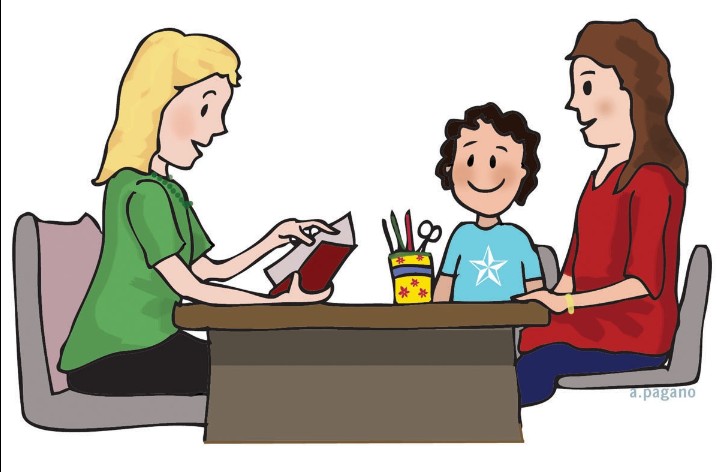
Apart from colleagues, the educators must engage in positive interactions with parents or guardians for the child’s future. In case of troublesome parents, the meetings must be conducted under the supervision of administrator or with the help from other teachers. They must not give into unduly demands by parents.
Teachers can be regarded as a guiding light as they play an important role in shaping the life of many individuals. They are strong role models and need to have a rational behavior towards the students. Following above ethics will help them in being impartial in their field and do the job honestly with professionalism.
IMPORTANT ETHICAL ASPECT AS A TEACHER”

Reasoning -The ability to logically and coherently analyze situations and perspectives represents an important element of the code of ethics associated with the teaching profession. It’s important for teachers to be able to reflect on a situation or circumstance while taking all aspects into consideration and maintaining moral principles as a gauge for deliberation.
Appreciation for Moral Considerations -The ability to identify and analyze conflicting and competing moral interests involved in any given situation is very important when faced with ethical dilemmas. Everyone’s rights should be protected, and no one should be deprived of what they deserve. The most important trait in dealing with moral considerations is the ability to adhere to the truth.
Dignity –means respect for humanity. Teachers must respect every person, regardless of gender, sexual orientation, gender diversity, appearance, age, religion, social standing, origin, opinions, abilities and achievements.
Truthfulness -is one of the core values in teachers’ basic task, which involves steering learners in navigating life and their environment. Honesty with oneself and others and mutual respect in all communication is a basic aspect of teachers’ work.
Fairness –is important both when encountering individual learners and groups but also in the work community. Fairness involves in particular promoting equality and non-discrimination and avoiding favouritism.

 Site Title